
.png)


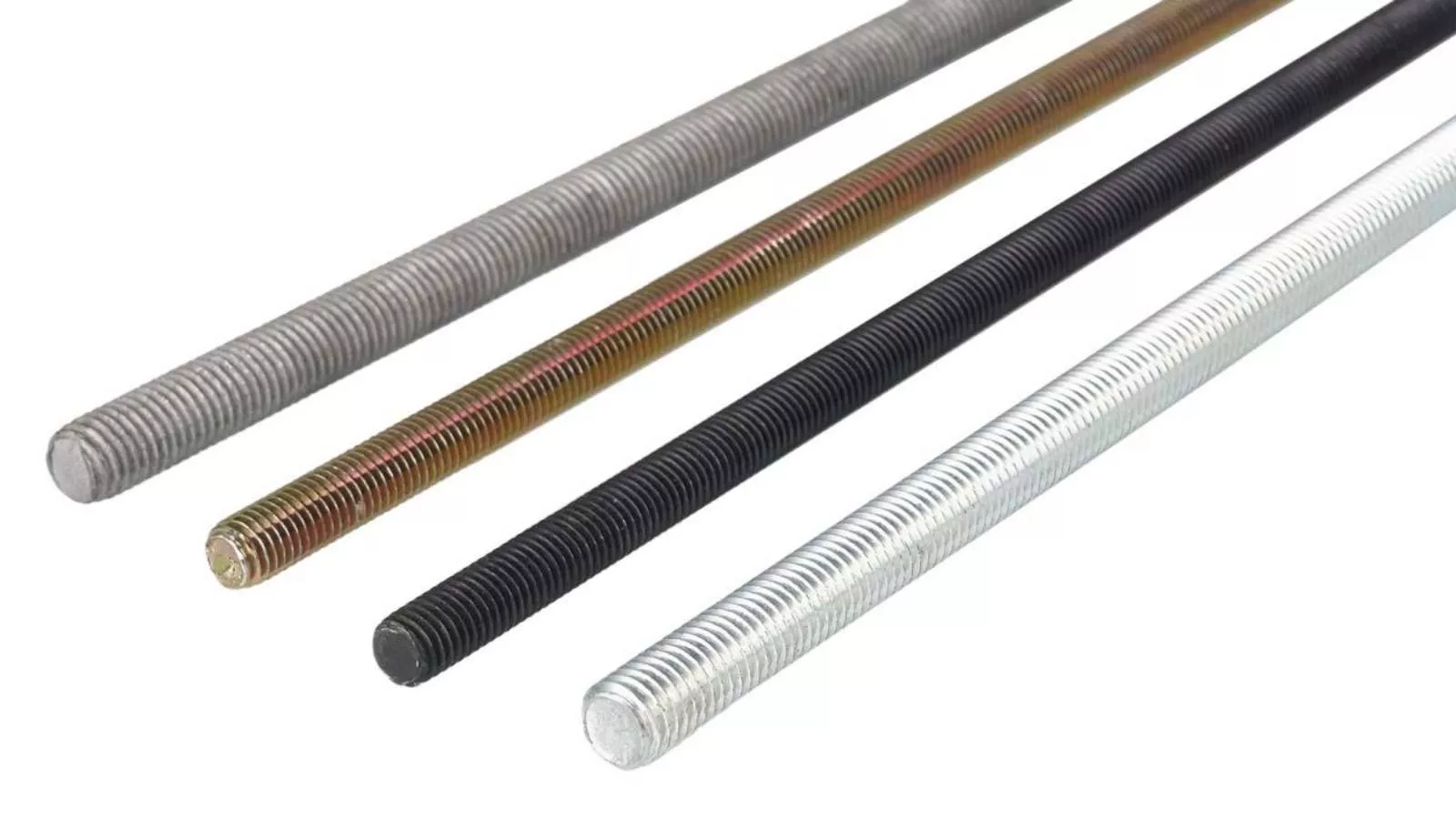 In construction, mechanical engineering, and industrial applications, threaded rods are often used in critical fastening connections where reliability and safety are essential. Whether used for structural support, anchoring systems, or heavy-duty assemblies, the performance of a threaded rod directly affects the stability and durability of the entire application.
For this reason, achieving an 8.8 grade classification is not simply a matter of using high-quality steel. It requires precise manufacturing control, advanced heat treatment technology, and continuous quality verification throughout the production process.
At Meigesi, we understand that the 8.8 grade marking on our threaded rods represents more than a mechanical property requirement—it represents our commitment to delivering stable and reliable performance for customers worldwide.
Where Does the Core Strength of Our Threaded Rods Come From?
The mechanical performance of an 8.8 grade threaded rod is mainly determined by the material composition and heat treatment process. During production, the raw steel material must undergo carefully controlled thermal processing to achieve the ideal balance of strength, hardness, and toughness.
At Meigesi, our continuous heat treatment production line plays a key role in transforming ordinary steel into high-strength fastening components.
The entire process focuses on two essential stages:
- Quenching: Increasing hardness and strength
- Tempering: Improving toughness and structural stability
How Does Quenching Build the Foundation of Hardness?
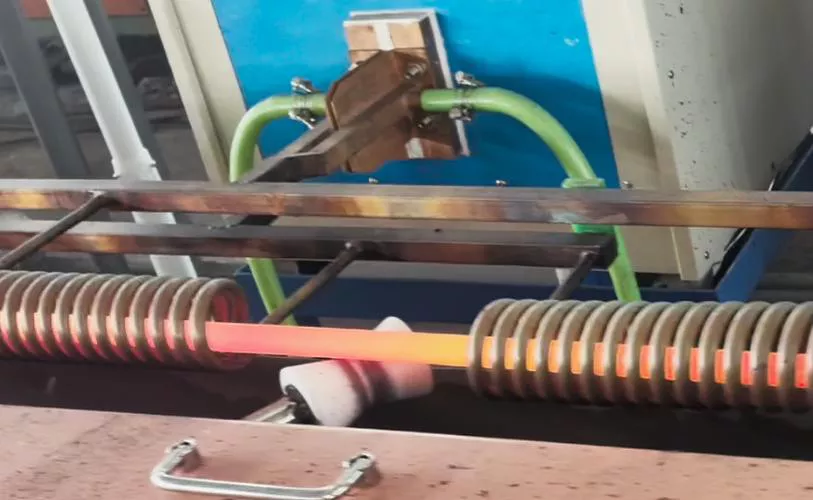 Quenching is the first critical step in achieving high-strength performance.
During this process, threaded rods are heated to a precisely controlled high temperature before being rapidly cooled. This rapid temperature change modifies the internal microstructure of the steel, increasing hardness and improving tensile strength.
However, successful quenching requires much more than simply heating and cooling the material. Factors such as heating temperature, holding time, cooling speed, and temperature uniformity all influence the final performance of the product.
At Meigesi, we carefully control the entire heating curve to ensure a uniform metallurgical structure. This helps prevent inconsistent hardness distribution and provides a solid foundation for meeting ISO 898-1 mechanical property requirements for 8.8 grade threaded rods.
Why Is Tempering Essential for Achieving the Right Toughness?
This is where tempering becomes essential.
During tempering, the quenched threaded rods are reheated at a controlled lower temperature. This process reduces internal stresses generated during quenching and improves the balance between hardness and ductility.
The result is a threaded rod that offers:
- High tensile strength for demanding applications
- Improved toughness to resist impact and vibration
- Better dimensional stability during use
- Reduced risk of cracking under dynamic loads
Why Choose Meigesi for 8.8 Grade Threaded RodS?
With years of experience in producing construction and industrial fasteners, Meigesi has developed a complete production system covering:
- Precision cold forming and machining processes
- Advanced heat treatment technology
- Strict quality inspection procedures
- Professional technical support
Our 8.8 grade threaded rods are manufactured according to international standards including DIN, ISO, and ANSI specifications, with various surface finishes available to meet different application requirements.
Whether for construction projects, industrial equipment, or structural fastening applications, Meigesi is committed to providing dependable fastening solutions with consistent performance.