Essential for Construction: A Comprehensive Guide to Selecting and Using Heavy-Duty Anchors
Updated on 2025-12-30
In the modern landscape of construction and industrial installation, demand for heavy-duty anchors has reached an all-time high. As infrastructure projects scale up and safety standards—particularly seismic requirements—become more stringent, traditional anchoring solutions often fall short. At Meigesi Fastener, we have developed this guide to help engineers and procurement specialists navigate the complexities of high-load anchoring systems.
1. What Are Heavy-Duty Anchor Bolts?
Heavy-duty anchors are specialized fasteners engineered to sustain extreme tension and shear loads within concrete or other substrates. They are distinguished from standard expansion bolts by their superior material strength, advanced structural design, and compliance with rigorous international certification standards.
Core Features:
High Load-Bearing Capacity: A single anchor can support loads ranging from several tons to dozens of tons.
Enhanced Safety Factors: Designed to maintain structural integrity in cracked concrete or high-vibration environments.
Premium Material Durability: Typically manufactured from high-strength carbon steel (Grade 8.8 or 10.9) or premium stainless steel (A4-80).
The market is primarily divided into two main categories: Mechanical Anchors and Chemical Anchors.
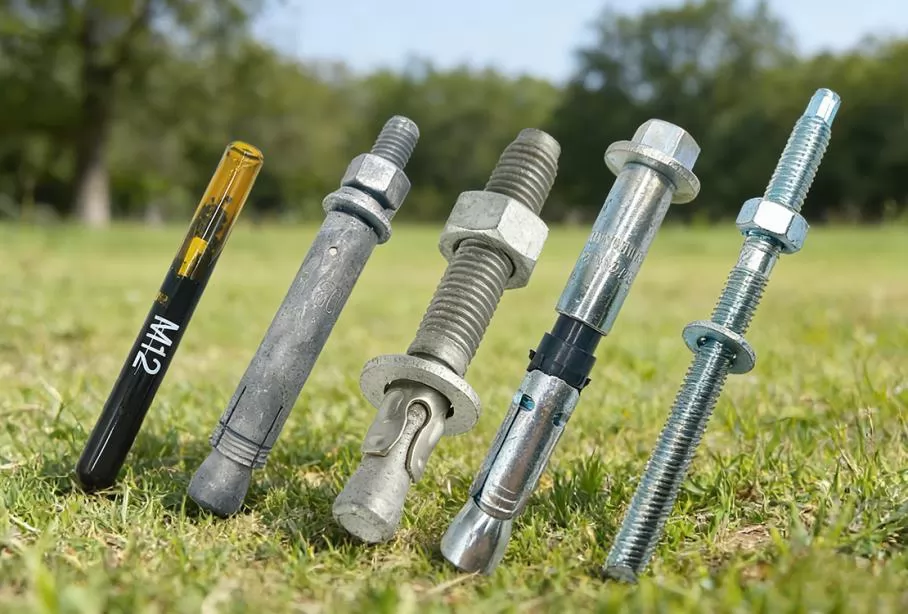
A. Heavy-Duty Mechanical Anchors
These rely on physical force to create a mechanical interlock (keying effect) within the substrate.
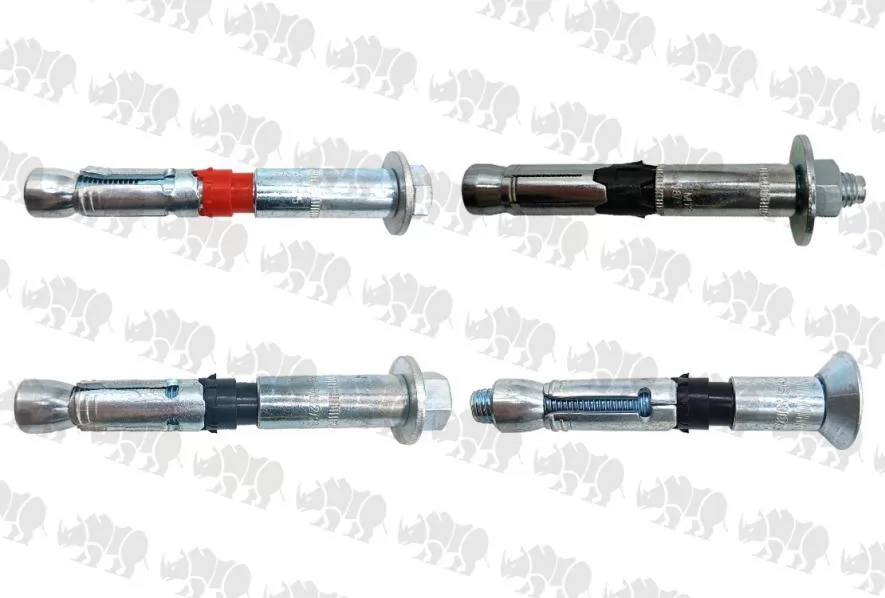
Undercut Anchors: These involve enlarging the bottom of the drill hole to create a physical lock. They are considered the highest-security category available, mimicking the reliability of cast-in-place bolts.
Heavy-Duty Sleeve Anchors: Specifically designed for applications requiring high shear resistance and strict adherence to edge distance and spacing requirements.
This system uses chemical adhesives to bond the stud bolt to the concrete, creating a single integrated unit.
Advantages: They exert negligible expansion stress, making them ideal for installations requiring close spacing or small edge distances.
Applications: Widely used for securing equipment foundations and structural steel reinforcement.
3. Why Demand for Heavy-Duty Anchors is Skyrocketing
In the era of Construction 4.0, general-purpose fasteners can no longer meet the demands of modern engineering. Three key factors are driving this growth:
Mandatory Safety Compliance: National and industrial standards (such as GB and JGJ) now enforce a "zero-tolerance" policy for anchoring safety in curtain walls, MEP supports, and structural steel.
Universal Adoption of Seismic Design: In seismic zones, certifications like EOTA ETA C1/C2 have shifted from "optional" to "mandatory," creating a high demand for performance-tested solutions like Undercut Anchors.
Industrial Automation: High-end manufacturing requires extreme precision. Large-scale CNC centers and automated lines need anchors with exceptional fatigue resistance to handle constant vibration.
4. How to Select the Right Heavy-Duty Anchor
When consulting with the Meigesi Fastener team, we recommend evaluating these four critical dimensions:
Substrate Condition: Determine the concrete grade (e.g., C25, C30) and whether the concrete is cracked or uncracked.
Load Type: Identify if the load is static, dynamic (machine vibration), or seismic.
Environmental Factors: Consider the installation site—is it indoor, outdoor, humid, or a highly corrosive coastal environment?
Certification: Ensure the product has ETA certification or a test report from an authoritative domestic institution.
5. Critical Installation Precautions
The performance of a heavy-duty anchor is 50% product engineering and 50% installation quality. To avoid catastrophic failure, pay close attention to the following:
Hole Cleaning: Residual dust acts as a barrier. Inadequate cleaning significantly reduces the bonding strength of chemical anchors.
Correct Torque Application: For mechanical anchors, a calibrated torque wrench is mandatory. Both over-torquing and under-torquing can lead to slippage or structural damage.
Spacing and Edge Distance: Installing anchors too close to each other or to the concrete edge can cause a "group effect" failure, leading to concrete bursting.
Conclusion
Choosing a heavy-duty anchor is more than just selecting a metal part; it is a commitment to structural safety. At Meigesi Fastener, we provide high-quality products alongside professional technical consulting and on-site pull-out testing. If you require assistance with load calculations or installation guidance, please contact the Meigesi Fastener team today.
Contact Us Now
Enter your inquiry details, We will reply you in 24 hours.
Send
Hot Article
Competition in the market of high strength hardware fastener
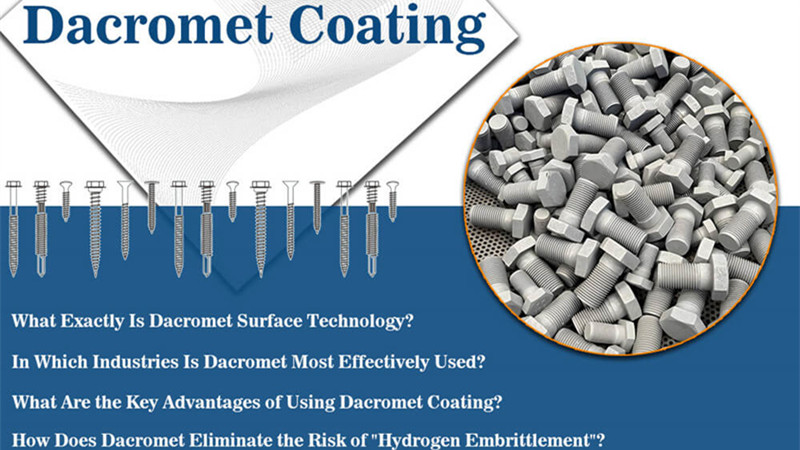
Why Is Dacromet Coating Becoming the Global Standard for High-Performance Fasteners?
Dacromet (Zinc Flake Coating) is a high-performance, eco-friendly, non-electrolytic surface treatment that provides superior corrosion resistance and eliminates hydrogen embrittlement, making it ideal for high-strength fasteners in automotive, construction, and marine applications.














.png)