



Introduction
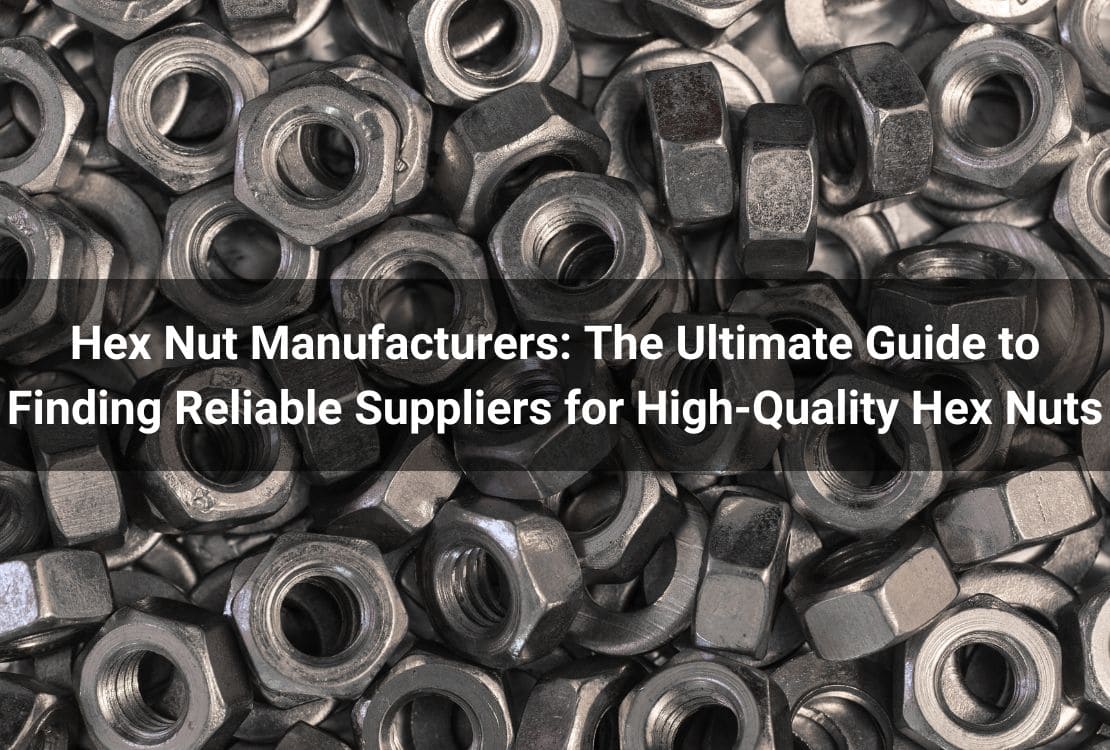
Hex nuts are essential fasteners used in construction, automotive manufacturing, machinery, furniture, and many other industries. Their performance depends on material strength, thread accuracy, corrosion resistance, and dimensional consistency. Choosing the right manufacturer helps ensure reliable assembly and consistent product quality.
This guide covers hex nut quality, common product types, manufacturing, and purchasing considerations. It also introduces Yuyao Meigesi Fastener Co., Ltd. as a supplier to consider when sourcing standard or customized fasteners.
Table of Contents
- What Defines a High-Quality Hex Nut?
- Why Consider Meigesi?
- Types of Hex Nuts
- How to Source Hex Nuts
- Quality Control
- Hex Nut Manufacturing Process
- Industrial Applications
- Standards and Certifications
- Sourcing Considerations
- Related Blogs
- FAQs
1. What Defines a High-Quality Hex Nut?
A reliable hex nut should match its mating bolt and meet the mechanical and environmental requirements of the application. Buyers should consider the following factors.
Material and Strength
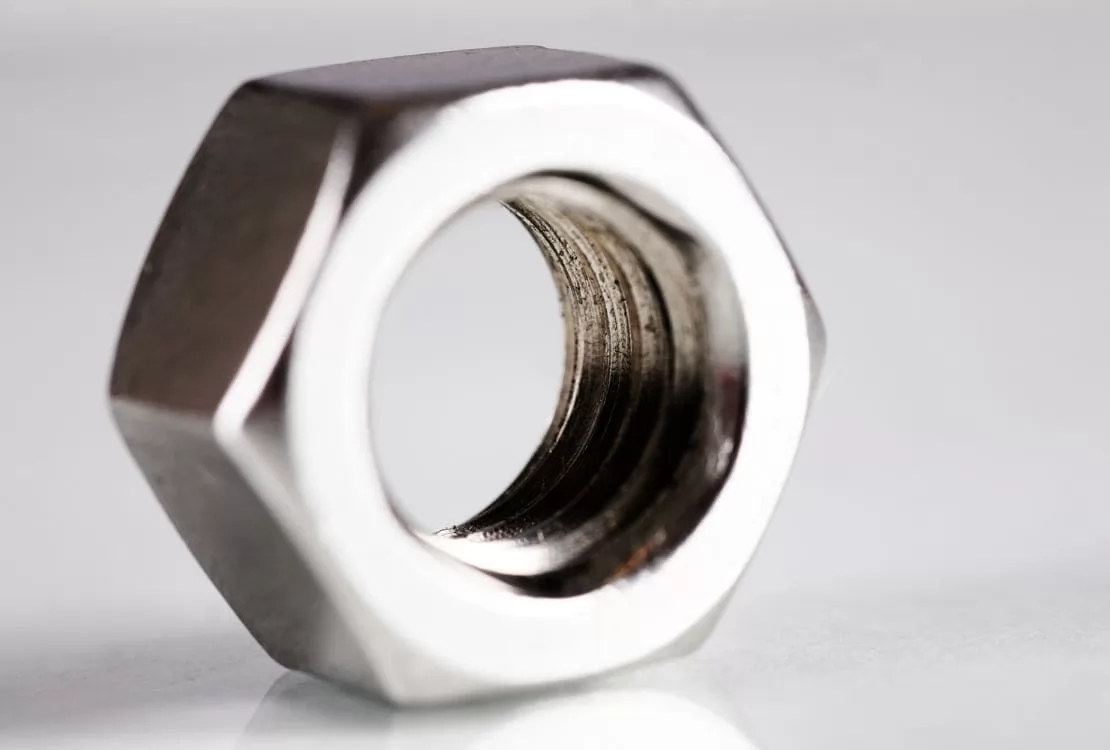
Carbon steel and alloy steel are common choices for general and higher-load applications. Stainless steel is often selected for corrosion resistance, while brass may suit certain electrical or specialized uses. Always confirm the required nut property class and compatibility with the bolt.
Thread Accuracy
Correct thread diameter, pitch, and tolerance help ensure smooth assembly and secure engagement. Confirm whether the application requires metric or inch threads and specify the applicable standard.
Surface Finish and Corrosion Resistance
Coatings and surface treatments can improve corrosion resistance, but the correct choice depends on moisture, chemicals, temperature, and other operating conditions. Consider coating thickness and its effect on thread fit.
Standards Compliance
DIN, ISO, ANSI/ASME, ASTM, and JIS standards cover different fastener requirements. Specify the exact standard, material, dimensions, and inspection requirements when requesting a quotation.
2. Why Consider Meigesi for Hex Nuts?
Yuyao Meigesi Fastener Co., Ltd. offers several categories of hex nuts and other fasteners for industrial and commercial applications.
Product Range
Listed products include American Hexagon Nut Grade 5, Natural Color DIN934 Hex Nut, Heavy Hex Nut A194-2H, Heavy Hex Structural Nut A563-DH, and Hex Thin Nut DIN439/DIN936. Buyers should verify each product's exact specification before ordering.
Customization
For special requirements, prepare drawings or samples along with thread dimensions, material, finish, tolerances, and order quantity. Confirm feasibility, sampling needs, and lead time with the supplier.
Order and Quality Requirements
Before placing an order, confirm availability, minimum order quantity, delivery schedule, packaging, and shipping terms. For critical applications, request the relevant inspection records and compliance documentation.
3. What Types of Hex Nuts Does Meigesi Offer?
Different hex nut designs suit different assembly requirements. The following categories can help narrow your selection.
Heavy Hex Nuts
Heavy hex nuts have a larger profile than standard hex nuts of comparable nominal thread size. Confirm the applicable specification and compatibility with the mating bolt or stud.
Heavy Hex Structural Nuts
Structural nuts such as A563-DH are intended for assemblies requiring the corresponding structural fastener specification. Selection should follow project requirements and engineering guidance.
Thin Hex Nuts
Thin hex nuts, including DIN439/DIN936-style products, can be useful where installation space is limited. Ensure their load capacity is suitable for the intended assembly.
American Hexagon Nuts, Grade 5
This product category is intended for applications specifying Grade 5 fastener requirements. Confirm the applicable standard, thread dimensions, and matching bolt specifications.
Related Products


Natural Color DIN934 Hex Nut
A hex nut option for assemblies using the relevant metric specifications.

Heavy Hex Nut A194-2H
A heavy hex nut category for projects requiring the specified A194-2H requirements.


4. How to Source Hex Nuts from Meigesi
A clear specification helps suppliers quote accurately and reduces the risk of ordering incompatible fasteners.
Step 1: Prepare Specifications
Provide the nut type, thread size and pitch, material, grade, finish, applicable standard, quantity, and intended application. Drawings or samples can help clarify special requirements.
Step 2: Confirm the Quotation
Ask about price, minimum order quantity, availability, production lead time, packaging, and shipping. Review any proposed changes to the original specifications before approval.
Step 3: Check Samples and Quality
For new or customized products, consider sample approval and agree on inspection criteria and required documentation before mass production.
Step 4: Confirm Delivery
Verify order quantity, delivery schedule, shipping terms, and packaging. For recurring orders, plan replenishment based on actual lead times.
5. Quality Control and Customer Support
Buyers should confirm how a supplier controls dimensions, threads, materials, surface finish, and batch consistency. For demanding applications, specify the required inspections and documentation before production begins.
Clear communication about samples, production schedules, packaging, and shipping can also help prevent order delays and specification errors.
6. Hex Nut Manufacturing Process
The manufacturing route depends on the material, design, size, and required properties. Common stages include material preparation, forming, thread production, any required heat treatment, surface finishing, inspection, and packaging.
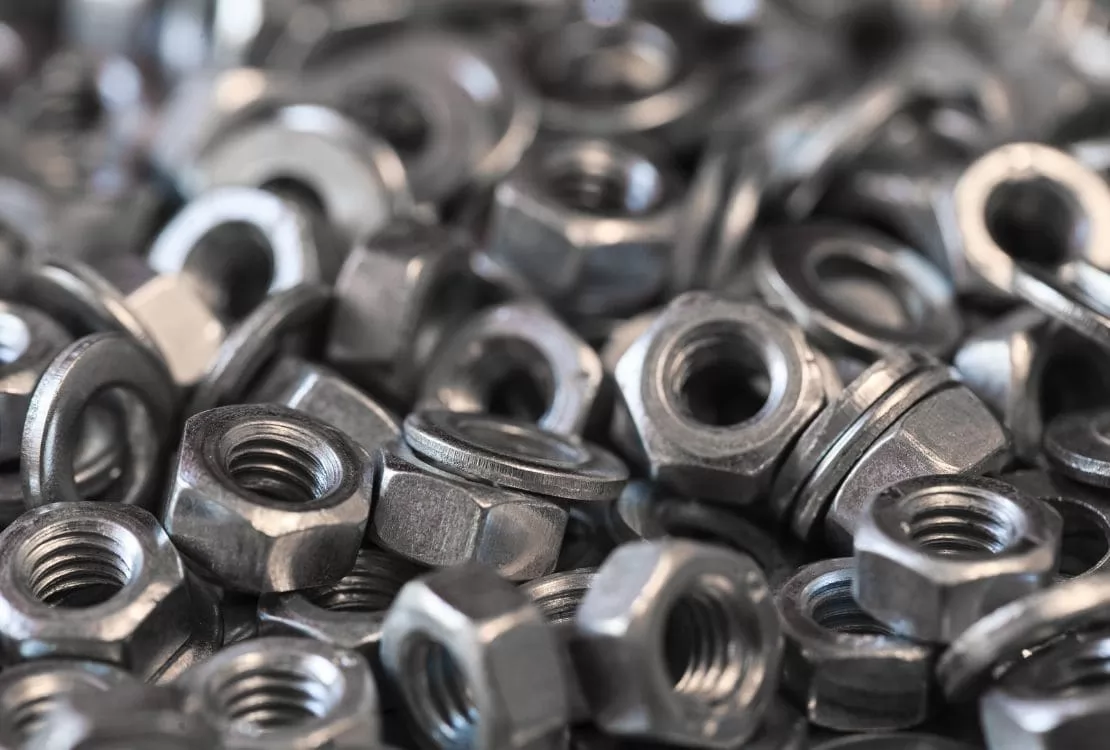
Quality checks should follow the applicable product standard and purchase specifications. For critical applications, confirm the inspection method and traceability requirements with the supplier.
7. Common Industrial Applications of Hex Nuts
- Construction: Structural assemblies that require compatible bolts and specified nuts.
- Automotive: Vehicle components requiring controlled dimensions and mechanical properties.
- Machinery: Equipment exposed to loads, vibration, or changing operating conditions.
- Furniture: General fastening where dimensions, finish, and ease of assembly matter.
- Electrical equipment: Specialized assemblies where material compatibility is important.
The nut type and material should always be selected according to the assembly design, expected loads, and operating environment.
8. Standards and Certifications
Standards help define nut dimensions, threads, mechanical properties, and testing requirements. Depending on the application, relevant specifications may include DIN, ISO, ANSI/ASME, ASTM, or JIS.
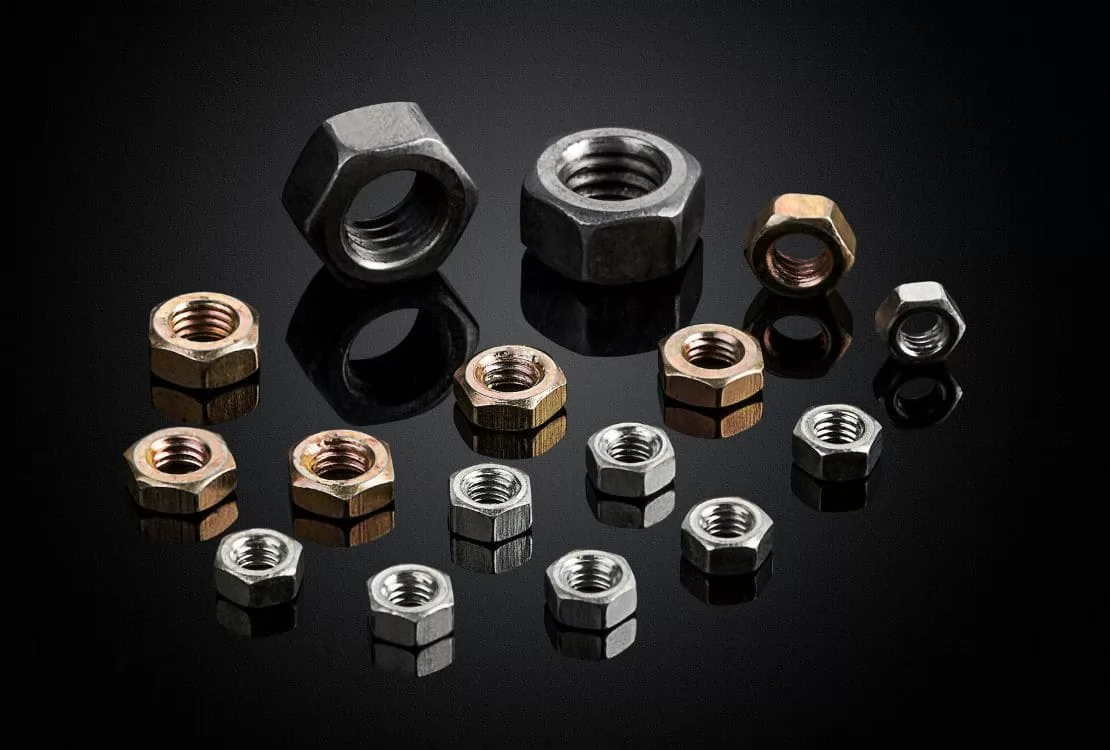
Confirm the exact standard required by your project and request relevant test reports or material documents when necessary. A company's management-system certification is not the same as proof that every product complies with a particular fastener specification.
9. Hex Nut Sourcing Considerations
When comparing suppliers, consider more than the unit price. Product consistency, specification compliance, lead time, freight, packaging, inspection costs, and potential production delays all affect total purchasing cost.
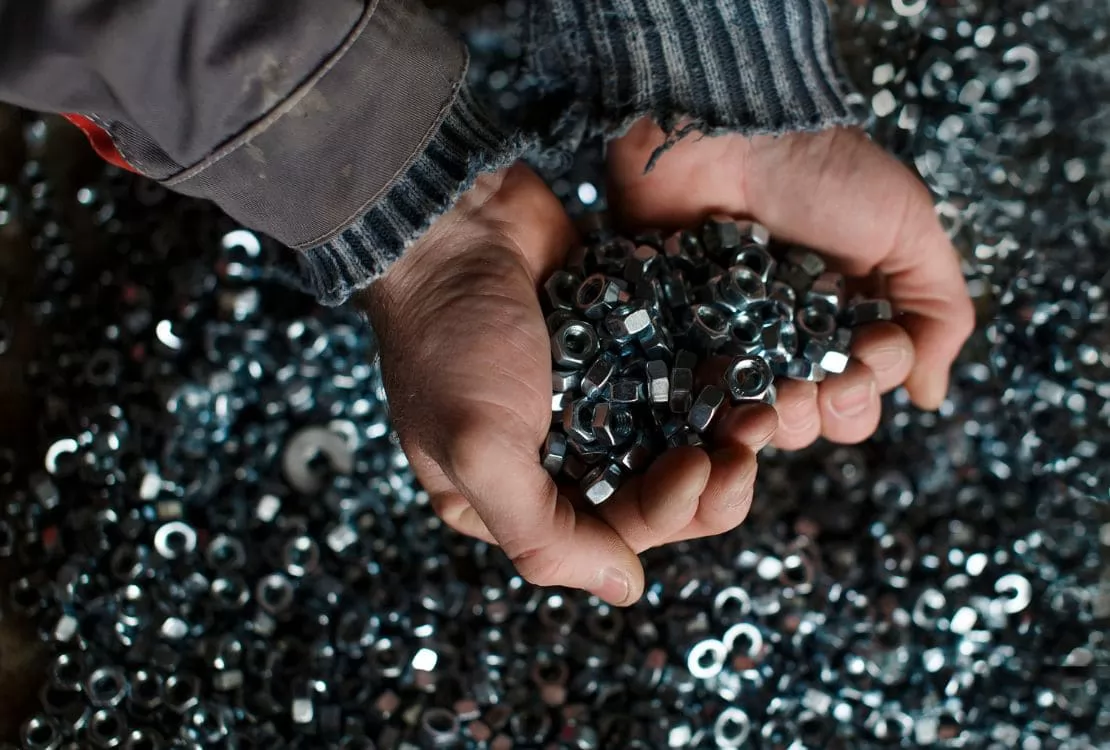
For recurring orders, retain approved specifications and samples where appropriate. For customized products, discuss drawings, samples, inspection criteria, and delivery schedules before confirming production.
10. Related Blogs
11. Frequently Asked Questions
Q1: What should I check when buying hex nuts?
Confirm the nut type, thread size and pitch, material, grade, finish, standard, quantity, and operating conditions.
Q2: How do I choose the right material?
Consider mechanical loads, corrosion exposure, temperature, and compatibility with the mating bolt.
Q3: What is the difference between standard and heavy hex nuts?
Heavy hex nuts have a larger profile. The correct type depends on the applicable specification and assembly design.
Q4: What hex nut products does Meigesi list?
Its listed products include DIN934 hex nuts, Grade 5 American hex nuts, heavy hex nuts, structural nuts, thin nuts, and metal lock nuts. Confirm current specifications and availability directly with the company.
Q5: Can I request customized hex nuts?
Provide drawings, dimensions, thread details, material, finish, quantity, and applicable standards for the supplier to assess.
Q6: Why is thread accuracy important?
Correct thread dimensions help ensure proper engagement and reduce assembly problems.
Q7: What should a quotation request include?
Include product specifications, quantity, delivery destination, target delivery date, and any inspection or documentation requirements.
Q8: How can I contact Meigesi?
Visit the Meigesi contact page to discuss product specifications, availability, and quotations.
Conclusion
Choosing the right hex nut involves matching the material, thread, mechanical properties, surface finish, and standard to the intended application. Clear specifications and suitable quality checks help reduce sourcing risks and improve assembly reliability.
Review Meigesi's listed products and contact the company to confirm the specifications, customization options, availability, and delivery details required for your project.